
UK Government Moves to Expand Police Use of Facial Recognition Technology
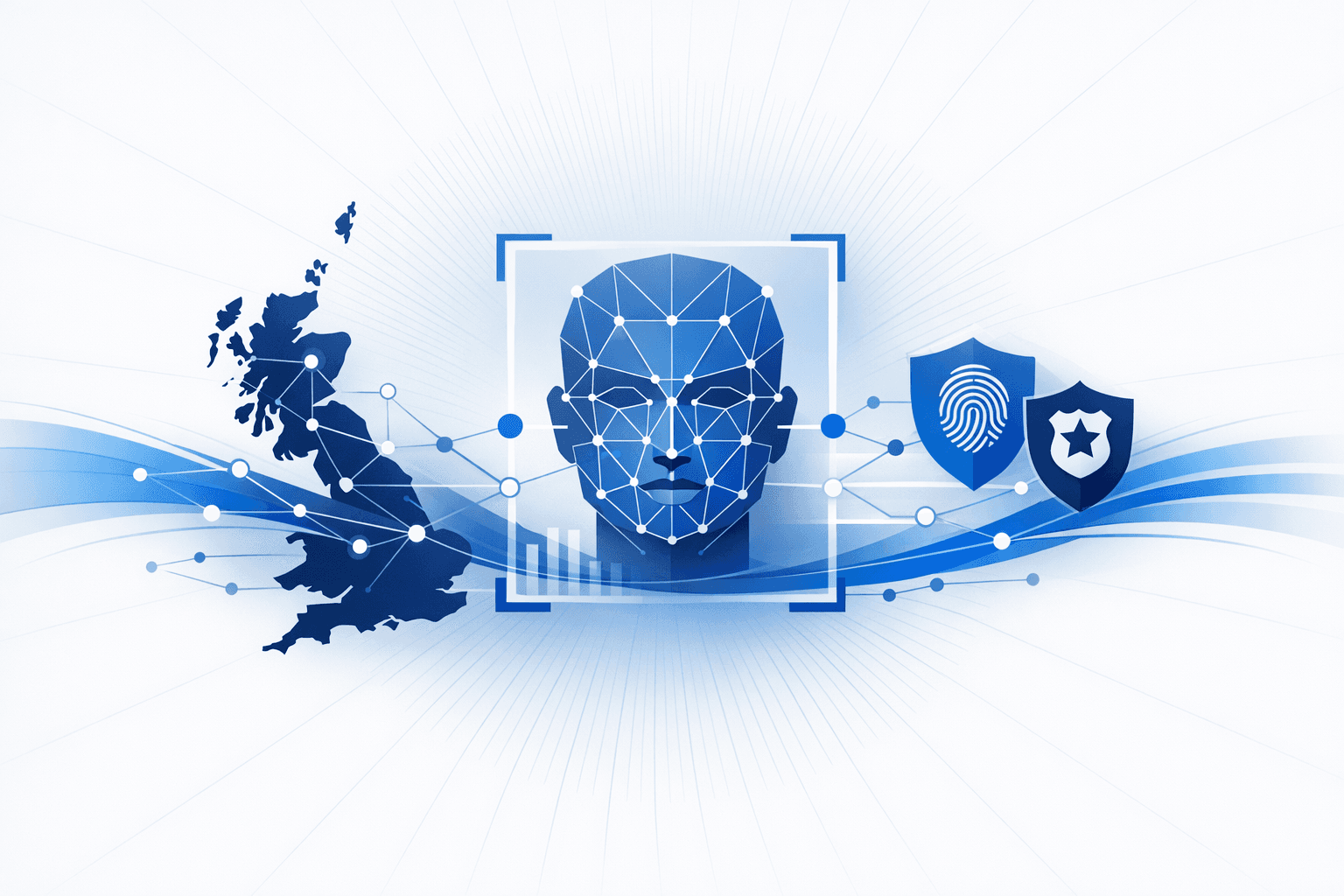
The UK government has announced plans to significantly expand the use of facial recognition and related biometric technologies by law enforcement, launching a public consultation to establish a dedicated legal framework for their deployment. The Home Office argues that the current legal landscape is insufficient for national-scale use and seeks to align facial recognition with other biometric tools such as fingerprints and DNA evidence. The consultation aims to gather public input on regulation and privacy safeguards, with officials emphasizing the technology's role in tackling serious crime and citing statistics of over 1,300 arrests linked to facial recognition in recent years.
Despite mounting controversy and civil liberties concerns, including fears of turning public spaces into biometric dragnets, the government is pressing ahead with increased funding and operational deployments. The Home Office spent £12.6 million last year and has allocated an additional £6.6 million for further rollout and development of a national facial-matching service. Public opinion appears divided, with surveys indicating majority support for the technology if robust protections are implemented, while advocacy groups continue to raise issues around oversight, transparency, and potential bias.
Timeline
Dec 5, 2025
Backlash grows as UK advances facial recognition expansion
Reporting the day after the Home Office announcement highlighted continued civil liberties criticism as the UK moved forward with facial recognition expansion. Privacy advocates and oversight experts warned about transparency, bias, and intrusive biometric surveillance.
Dec 4, 2025
Home Office launches consultation on expanding facial recognition use
The British Home Office announced plans to expand law enforcement use of facial recognition and opened a public consultation on creating a stronger legal framework for the technology. The move was presented as an effort to improve regulation, deployment standards, and privacy protections amid ongoing controversy.
Jan 1, 2023
Metropolitan Police make 1,300 arrests using facial recognition since 2023
The Metropolitan Police reported that facial recognition technology had contributed to 1,300 arrests since 2023, many involving suspected violent offenders. Officials cited these results as evidence supporting broader deployment.
Jan 1, 2017
British police begin using facial recognition technology
Police forces in the UK started deploying facial recognition technology in law enforcement operations. This marked the beginning of the technology's operational use in Britain and set the stage for later policy and legal debates.
See the full picture in Mallory
Mallory subscribers get deeper analysis on every story, including:
Who’s affected and how
Deep-dive technical analysis
Actionable next steps for your team
IPs, domains, hashes, and more
Ask questions and take action on every story
Filter by topic, classification, timeframe
Get matching stories delivered automatically
Sources
Related Stories
Government Digital Identity Initiatives Expand via Mobile Wallets and Biometrics
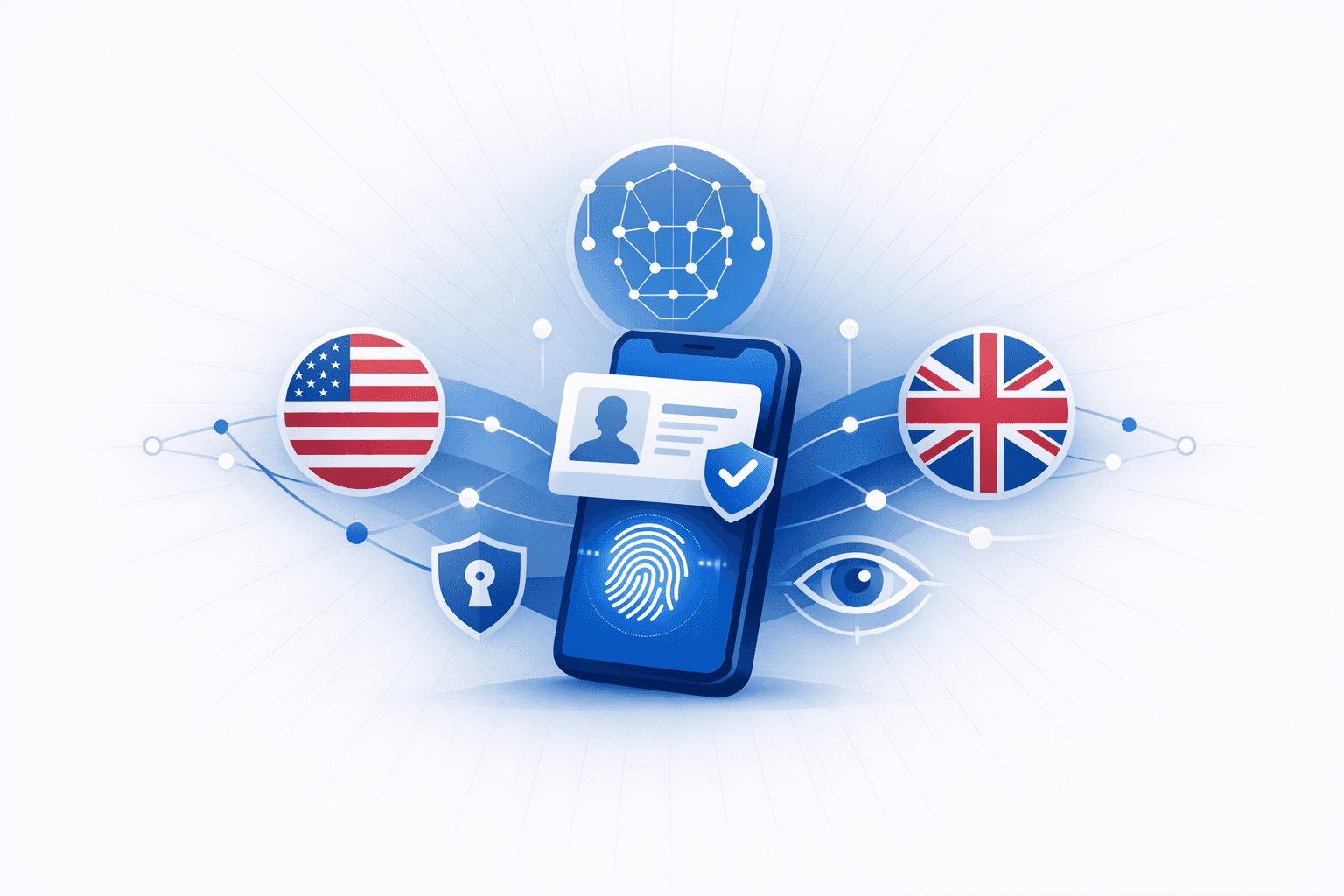
UK and US government agencies are expanding digital identity programs, but with uneven adoption and growing scrutiny. In the UK, the Government Digital Service reported that just over **15,000** veterans have applied for a digital veterans ID since its October launch—under **1%** of the roughly **1.8 million** eligible former service members—highlighting slow uptake and limited utility compared with the physical Veteran Card. The digital credential is stored in the *GOV.UK One Login* app (planned to be rebranded as the *GOV.UK Wallet*), and currently has constrained use cases, including not being accepted as photo ID for domestic flights or for some veteran benefits, and not yet being usable online. In the US, Customs and Border Protection and the Transportation Security Administration are accelerating deployment of **facial biometric** identity verification for travelers, with CBP requiring biometric verification for **all non-citizens** entering or leaving the US (with US citizens able to opt out for manual checks). Officials described facial biometrics as foundational to vetting and border security operations, while lawmakers and civil society groups continue to raise privacy and civil-rights concerns; TSA’s use of facial recognition has also drawn oversight attention, including a Department of Homeland Security watchdog investigation. Together, the developments reflect a broader shift toward mobile and biometric identity systems, alongside adoption, usability, and governance challenges.
1 months ago
Advances and Oversight Issues in Facial Recognition and Image Authentication Technologies
Researchers at the University of Pisa have developed a novel image signature system that maintains its integrity even after an image is cropped, addressing a major vulnerability in current image authentication methods. This technology allows the original signature to remain verifiable on cropped images by dividing the image into blocks, ensuring that only legitimate edits like cropping are permitted while any manipulation within the blocks invalidates the signature. The innovation aims to help newsrooms and publishers maintain trust in visual content, even after routine editing, and to prevent deepfakes from exploiting weaknesses in image verification. Meanwhile, the UK's Information Commissioner's Office (ICO) has criticized the Home Office for failing to disclose significant biases in police facial recognition algorithms used within the Police National Database. Recent tests revealed that the currently deployed Cognitec FaceVACS-DBScan ID v5.5 algorithm exhibits notable weaknesses in identifying certain demographics under strict verification settings, raising concerns about fairness and transparency. The ICO has demanded urgent clarification from the Home Office, emphasizing the importance of public trust and the need for accountability in the deployment of facial recognition technologies.
1 months ago
Controversy Over Law Enforcement Use of Facial Recognition and Surveillance Technologies
Immigration and Customs Enforcement (ICE) and Customs and Border Protection (CBP) officers have been documented using facial recognition technology on US streets to verify citizenship, raising concerns among lawmakers and civil rights advocates. Social media videos show officers using an app, possibly Mobile Fortify, to scan individuals' faces and match them against a database of 200 million images, returning personal information such as name, date of birth, and deportation status. Lawmakers and advocacy groups have criticized these practices, citing the potential for racial profiling and the inaccuracy of biometric technologies, particularly for communities of color. Separately, the New York Police Department (NYPD) faces a federal civil rights lawsuit over its Domain Awareness System (DAS), a centralized surveillance platform that integrates video cameras, biometric tools, license plate readers, and other data sources to monitor and profile residents. The lawsuit, filed by the Surveillance Technology Oversight Project (STOP), alleges that DAS violates constitutional rights by enabling pervasive surveillance and data aggregation. Both cases highlight growing public and legal scrutiny of law enforcement's expanding use of advanced surveillance and biometric technologies in the United States.
1 months ago