
German Government Accuses Russia of Cyberattack and Election Disinformation
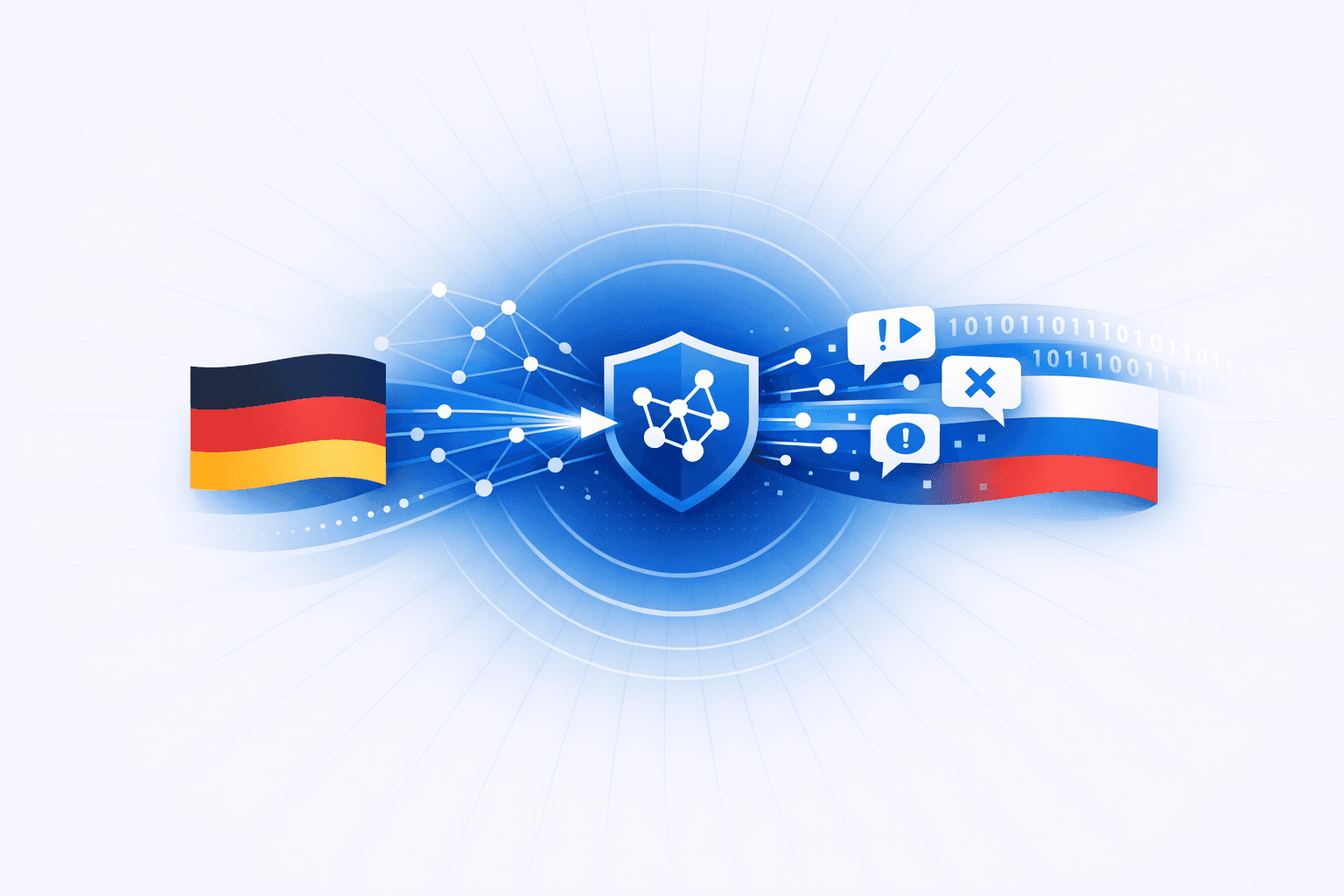
Germany publicly accused Russia of orchestrating a cyberattack against Deutsche Flugsicherung, the state-owned air traffic control authority, and conducting a coordinated disinformation campaign aimed at influencing the upcoming federal election. The German Foreign Ministry stated it had clear evidence linking the August 2024 cyberattack to APT28 (Fancy Bear), a group associated with Russia’s GRU military intelligence, and attributed the election interference to the Storm 1516 threat actor. In response, Germany summoned the Russian ambassador, announced plans for countermeasures in coordination with EU partners, and supported new sanctions targeting those involved in hybrid attacks. The Russian embassy has denied the allegations, while European officials have warned of a broader campaign of Russian cyber operations targeting critical infrastructure and political processes across the continent.
These developments come amid heightened concern over nation-state cyber threats in Europe, with both France and Germany reporting recent attacks attributed to foreign actors. The French Ministry of Interior is investigating a suspected nation-state breach of its email servers, though details remain limited. European authorities have documented a surge in nation-state-backed cyberattacks, with the EU Agency for Cybersecurity reporting 46 such incidents between July 2024 and July 2025. Officials across Europe have condemned Russia’s use of hybrid tactics, including cyberattacks and disinformation, as part of a broader strategy to destabilize Western democracies.
Timeline
Dec 12, 2025
Germany summons Russian ambassador and announces EU-coordinated response
Following the attributions, Germany summoned the Russian ambassador in Berlin and said it would coordinate countermeasures with EU partners. Officials also backed sanctions and other punitive steps such as travel bans and asset freezes against those responsible.
Dec 12, 2025
Germany links election disinformation to Storm-1516 and Russia
Germany also publicly identified Storm-1516 as the operation behind election-related disinformation and tied it to Russian hybrid activity. Officials said the campaign was part of a broader effort to destabilize democratic processes.
Dec 12, 2025
Germany attributes DFS cyberattack to APT28/Fancy Bear
In December 2025, the German government publicly attributed the August 2024 attack on Deutsche Flugsicherung to APT28, also known as Fancy Bear, a threat group linked to Russia's GRU military intelligence. German officials said they had clear evidence supporting the attribution.
Jul 31, 2025
ENISA reports 46 nation-state-backed attacks in the EU over the prior year
The European Union Agency for Cybersecurity reported that 46 nation-state-backed attacks affected the EU between July 2024 and July 2025. Officials cited the figure as evidence of a broader rise in hybrid threats across Europe.
Feb 1, 2025
Storm-1516 disinformation campaign targets Germany's federal election
Ahead of Germany's February 2025 general election, authorities say the Storm-1516 influence operation sought to interfere in the vote using disinformation, including deepfake media and covert websites. Germany later linked the campaign to Russian state activity.
Aug 1, 2024
Cyberattack hits Deutsche Flugsicherung internal IT and communications
In August 2024, Germany's air traffic control authority Deutsche Flugsicherung was hit by a cyberattack affecting internal IT and communications systems. Reporting indicates flight operations were not disrupted.
See the full picture in Mallory
Mallory subscribers get deeper analysis on every story, including:
Who’s affected and how
Deep-dive technical analysis
Actionable next steps for your team
IPs, domains, hashes, and more
Ask questions and take action on every story
Filter by topic, classification, timeframe
Get matching stories delivered automatically
Sources
Related Stories
EU Leadership Warns of Russian Hybrid Warfare Campaign Targeting Europe
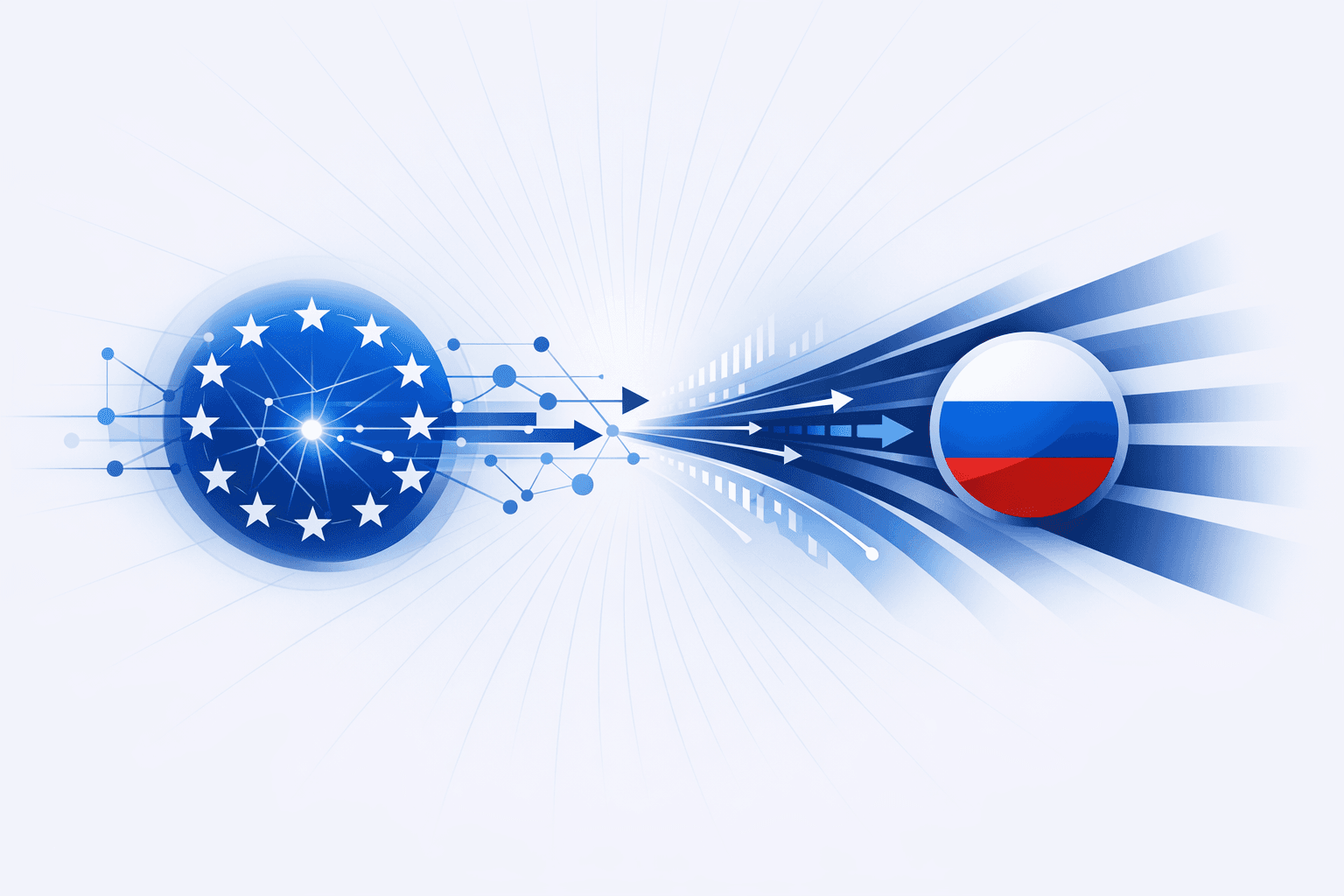
European Commission President Ursula von der Leyen publicly warned that Russia is conducting a coordinated hybrid warfare campaign against Europe, combining cyberattacks, sabotage, and disinformation to destabilize the European Union and weaken its support for Ukraine. In a speech before the European Parliament in Strasbourg, von der Leyen cited a surge in security incidents attributed to Russian state-backed actors, including the violation of Estonian airspace by Russian MiG jets and the appearance of drones over critical infrastructure in Belgium, Poland, Romania, Denmark, and Germany. The United Kingdom, though not an EU member, also reported drone incidents near civilian and military sites, prompting the deployment of a counter-drone unit to Denmark during major European summits. Von der Leyen highlighted that these incidents are not isolated but part of a deliberate and escalating campaign designed to test the EU’s resolve and unity. She referenced specific examples such as undersea cable cuts, cyberattacks that paralyzed airports and logistics hubs, and malign influence campaigns targeting European elections. The European Commission president emphasized that these actions are calculated to remain in a "grey zone" of deniability, making attribution and response more complex. She called for urgent action, urging EU leaders to develop a strategic plan in close coordination with NATO to counter these threats. The blueprint for a pan-European security response was presented to EU leaders at a recent summit in Copenhagen. Von der Leyen stressed the need for greater vigilance, technological readiness, and unity among EU member states to deter further aggression and protect European sovereignty. The campaign is seen as a direct attempt to divide the EU and undermine its support for Ukraine amid ongoing conflict. The speech marked a significant escalation in the EU’s public stance on Russian hybrid threats, moving from isolated incident response to recognizing a systematic and strategic campaign. The European Commission’s warning comes amid increasing evidence of Russia’s use of both physical and cyber means to disrupt European stability. The call to action includes enhancing countermeasures against cyberattacks, protecting critical infrastructure, and strengthening information resilience against disinformation campaigns. The EU’s response is expected to involve both defensive and offensive cyber capabilities, as well as closer intelligence sharing with NATO allies. Von der Leyen’s remarks underscore the seriousness with which European leadership now views the hybrid threat landscape, and the necessity for a unified and robust response.
1 months ago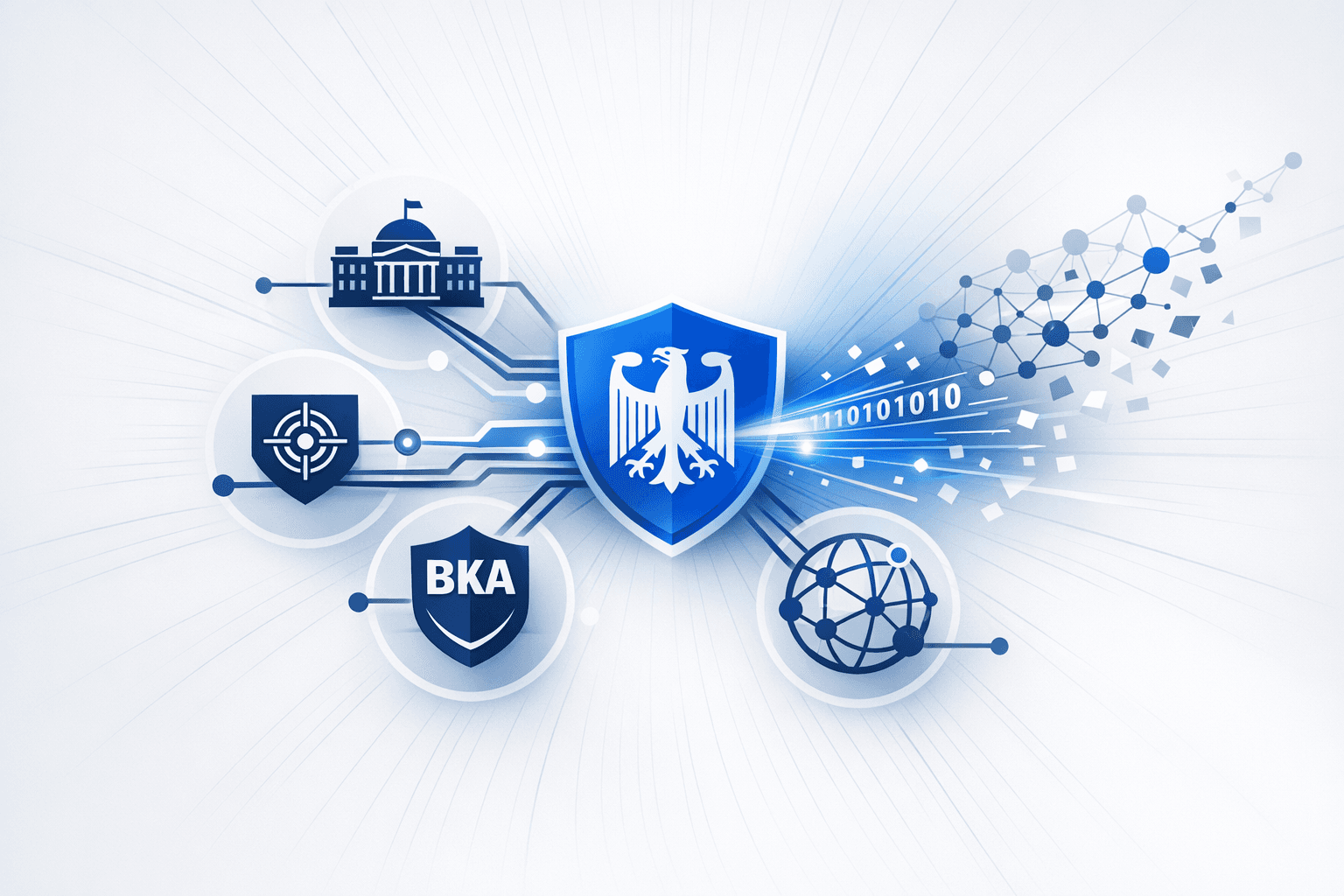
German Government Pushes More Offensive Cyber Response Amid Ongoing Public-Sector Disruptions
Germany’s federal government signaled a shift toward a more **offensive posture** in response to cyberattacks. Interior Minister **Alexander Dobrindt** said Germany intends to “strike back,” including actions abroad to disrupt attackers and destroy their infrastructure, with operations to be carried out jointly by intelligence services and the **Bundeskriminalamt (BKA)**. The Interior Ministry also plans a new defense center for **hybrid threats**, prepared by the domestic intelligence service, to improve coordination across government levels; Dobrindt framed the move as a response to persistent attacks on institutions, critical infrastructure, and companies, often attributed to groups linked to state services (including Russia). Separately, the **Staatliche Kunstsammlungen Dresden** (a network of 15 museums) reported continued operational impacts from a **cyberattack**, with museums remaining open but key services still impaired, including `online ticketing`, card payments on-site, the online shop, and visitor services. Police and the state criminal office initiated investigations, and the Dresden public prosecutor indicated the case may be handled by Saxony’s specialized cybercrime unit (ZCS). The UK government’s discussion of building a **digital ID** system in-house is policy/technology governance reporting and does not describe a specific cyber incident or vulnerability tied to the German developments.
1 months ago
Russian-Attributed Cyberattacks on Danish Water Utility and Election Infrastructure
Danish intelligence services have publicly attributed a series of destructive and disruptive cyberattacks targeting Denmark's critical infrastructure to Russian state-backed groups. The attacks included a significant incident against a Danish water utility, reportedly causing pipes to burst and temporarily leaving homes without water, as well as coordinated denial-of-service (DDoS) attacks that overwhelmed Danish websites ahead of regional and local elections. Authorities identified the groups Z-Pentest, linked to the water utility attack, and NoName057(16), responsible for the DDoS campaigns, as operating on behalf of the Russian state. These operations are described as part of Russia's broader hybrid warfare strategy aimed at destabilizing Western nations and punishing those supporting Ukraine. The Danish Defence Intelligence Service emphasized that these cyber operations are intended to create insecurity and attract public attention, particularly during sensitive periods such as elections. The Danish government has condemned the attacks as unacceptable, with officials highlighting the incidents as clear evidence of ongoing hybrid warfare in Europe. In response, Denmark's foreign office has summoned the Russian ambassador for clarifications, underscoring the seriousness with which these state-attributed cyberattacks are being treated by Danish authorities.
1 months ago