
Generative AI Accelerates Identity-Based Attacks and Industrialized Fraud Markets

Security leaders and new research warn that generative AI is accelerating a shift toward identity-based compromise—notably phishing, social engineering, and impersonation—because traditional controls have reduced the effectiveness of brute-force and other “old-style” attacks. Thales’ Americas CISO Eric Liebowitz argues organizations should respond with stronger identity-focused defenses, including sustained employee training that goes beyond “red flag” spotting, user behavior baselining to detect anomalies, and technical controls such as internal AI-assisted defenses and DLP to counter increasingly capable agentic adversaries.
Separate reporting highlights how the same trend is being monetized at scale: AMLTRIX research found an industrialized dark web market for stolen and fabricated identities, with “full identity packages” (ID scans plus matching selfies) priced as low as $30, enabling repeated account creation for laundering before detection; pre-verified accounts command a premium (e.g., verified crypto accounts at $200–$400), reflecting the difficulty of defeating live verification. Nametag’s 2026 workforce impersonation findings similarly warn that deepfake-as-a-service and readily available AI tooling are making high-value corporate fraud (e.g., spear-phishing and CEO fraud) more accessible, and that consumer-grade identity verification will be insufficient against injected deepfakes—driving a need for more continuous, hardware-backed verification and controls that account for emerging risks such as prompt-injection-based poisoning of AI agent memory.
Timeline
Jan 12, 2026
SC Media reports deepfake-as-a-service driving corporate fraud risk
SC Media published a report stating that deepfake-as-a-service offerings are expected to fuel a surge in corporate fraud. The article marks a separate development in AI-enabled identity and fraud threats.
Jan 12, 2026
SC Media reports on dark web trade in fabricated identities
SC Media published a report highlighting a growing market for fabricated identities on the dark web. The reference indicates the issue as a distinct development in identity-related cybercrime.
Jan 12, 2026
ISMG publishes interview on GenAI-driven identity threats
Information Security Media Group published an interview with Thales Americas CISO Eric Liebowitz warning that attackers are increasingly shifting from brute-force attacks to identity-based methods such as phishing and social engineering, amplified by generative and agentic AI. He recommended stronger employee training, behavior monitoring, user-baseline anomaly detection, and technical controls such as internal AI tools and DLP systems.
See the full picture in Mallory
Mallory subscribers get deeper analysis on every story, including:
Who’s affected and how
Deep-dive technical analysis
Actionable next steps for your team
IPs, domains, hashes, and more
Ask questions and take action on every story
Filter by topic, classification, timeframe
Get matching stories delivered automatically
Related Entities
Organizations
Affected Products
Sources
Related Stories

AI-Driven Identity Impersonation and Cybercrime Tactics
Cybercriminals are increasingly leveraging artificial intelligence to automate and enhance identity impersonation, making traditional security measures less effective. Attackers now use AI-generated voice messages and deepfakes to convincingly mimic executives and employees, enabling sophisticated business email compromise schemes and fraudulent financial transactions. The widespread availability of generative AI tools, combined with vast amounts of personal data from previous breaches, allows threat actors to craft highly personalized phishing messages and social engineering attacks that reference real company projects and colleagues, significantly lowering the barrier to entry for such operations. Security experts warn that AI-driven attacks are fundamentally changing the threat landscape, with phishing attempts becoming nearly impossible to detect and self-evolving malware presenting new challenges for defenders. The rise of digital doppelgangers and AI-powered adversaries underscores the urgent need for organizations to adopt zero-trust security models and advanced identity verification techniques, as conventional employee training and perimeter defenses are no longer sufficient to counter these evolving threats.
1 months ago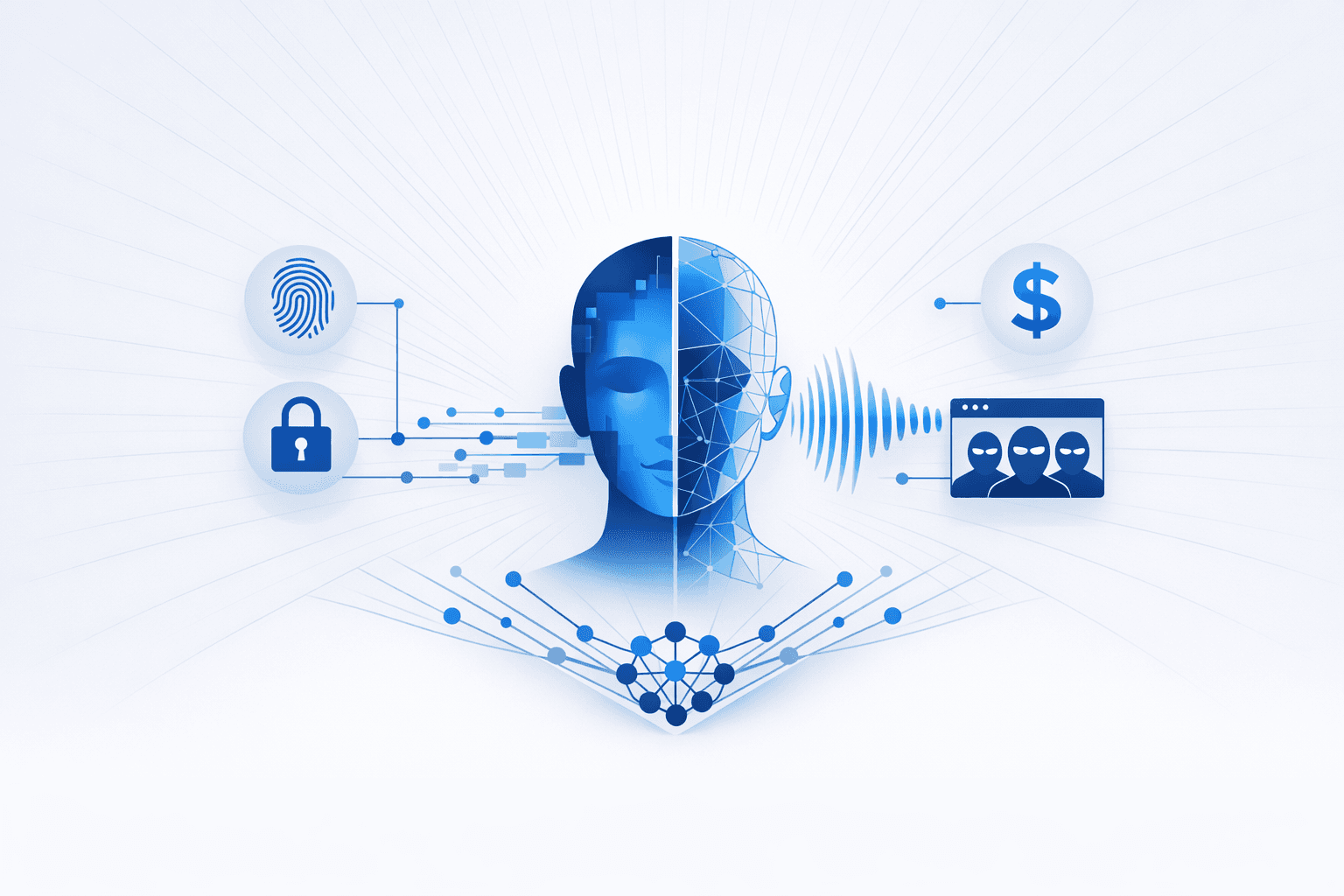
AI-Enabled Cybercrime and Deepfake-Driven Social Engineering at Scale
Threat intelligence reporting warns that **generative AI is accelerating the industrialization of cybercrime**, lowering cost and skill barriers while increasing speed and scale. Group-IB described a “fifth wave” in which criminals weaponize AI to produce *synthetic identity kits*—including deepfake video actors and cloned voices—for as little as **$5**, enabling fraud and bypass of authentication controls. The report also cited a sharp rise in dark web discussion of AI-enabled criminal tooling (from under ~50,000 messages annually pre-2022 to ~300,000 per year since 2023) and highlighted the shift toward “agentic” phishing kits that automate targeting, lure creation, and campaign adaptation via low-cost subscriptions. Industry commentary and forward-looking security coverage similarly anticipate **AI-enabled social engineering** becoming a dominant enterprise risk, with deepfakes eroding trust in audio/video channels and enabling more convincing phishing at scale across languages and cultures. Separately, business-leadership coverage frames cybersecurity and AI as intertwined with geopolitical risk and board-level decision-making, but provides limited incident- or threat-specific detail. An opinion piece argues AI will reshape the security vendor landscape and drive consolidation, but it is not focused on a specific threat campaign or disclosure.
1 months ago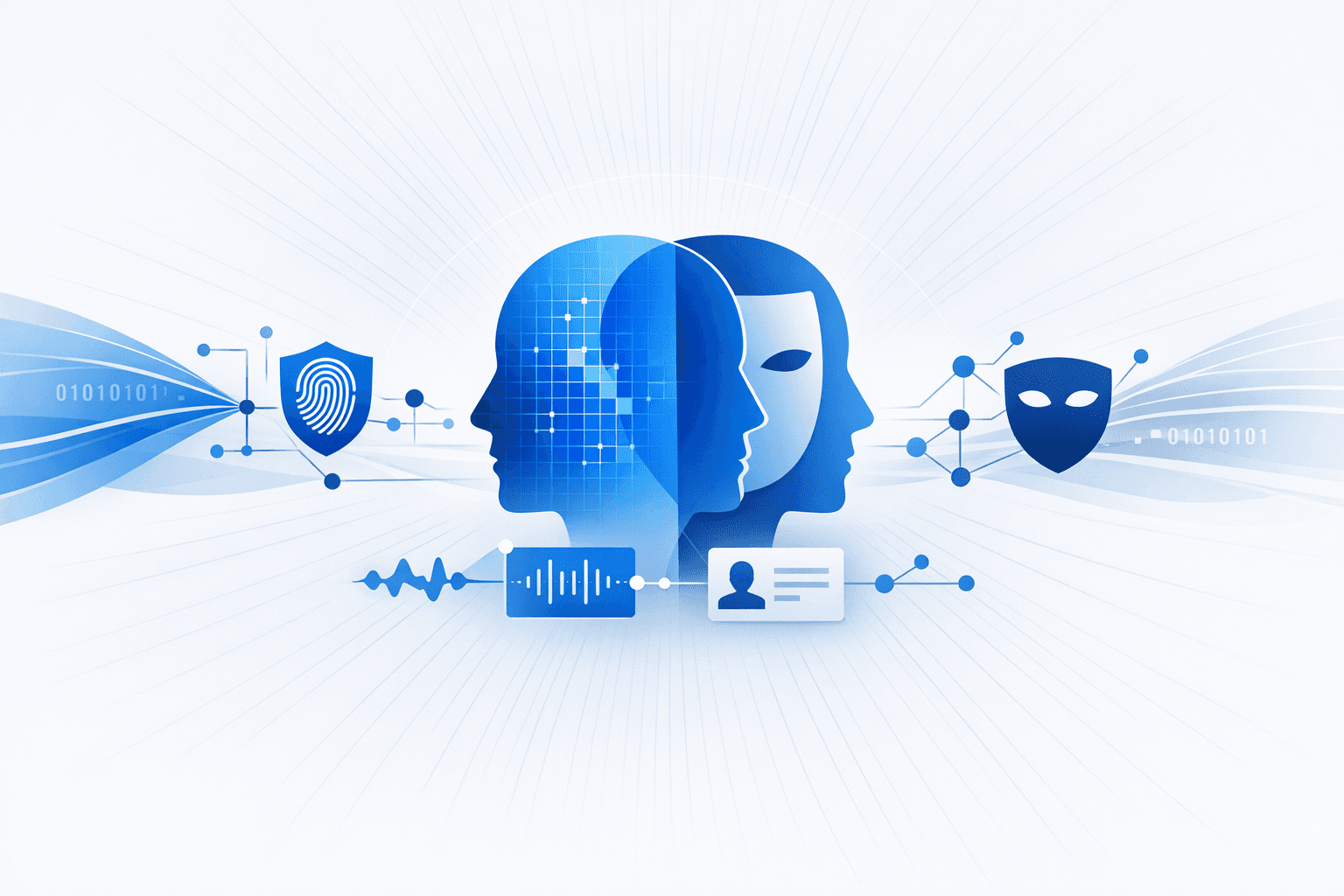
AI-Driven Scams and Deepfake Threats to Identity Security
AI technologies are rapidly transforming the landscape of cybercrime, enabling scammers to create highly convincing deepfakes and personalized attacks that are increasingly difficult for individuals and organizations to detect. Recent research and industry reports highlight a surge in AI-powered scams, with over 70% of consumers encountering scams in the past year and deepfake audio and video emerging as top concerns. Attackers are leveraging social media as a primary channel to target victims, exploiting the widespread use of mobile devices, which often lack adequate security protections. The sophistication of these attacks is exemplified by incidents such as the $25 million fraud at Arup, where a deepfaked videoconference deceived an employee into transferring company funds. The growing threat of deepfakes and synthetic media is driving a cybersecurity arms race, as organizations struggle to keep pace with evolving attack techniques. Security leaders are increasingly focused on strengthening identity controls, as insurers now scrutinize the maturity and enforcement of identity and access management practices before offering coverage. Research also reveals that current identity document verification systems are hampered by limited and non-diverse training data, making them vulnerable to advanced fraud tactics. As AI continues to lower the barrier for attackers, both technical and human-centric defenses must adapt to counter the risks posed by synthetic identities and technology-enhanced social engineering.
1 months ago