
China’s AI Industrial Policy and Controls on High-End Nvidia GPU Imports
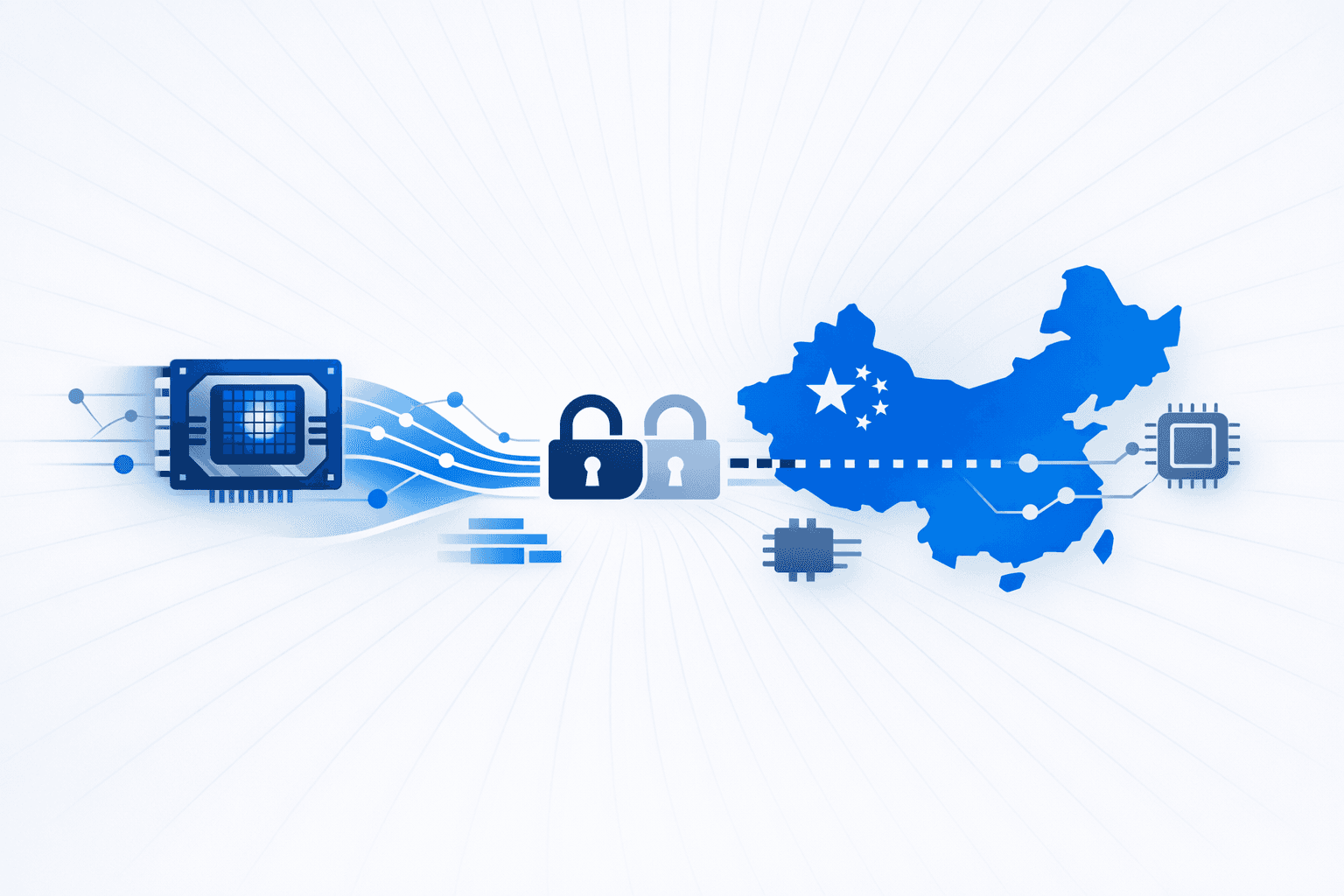
China reportedly began approving imports of high-end Nvidia AI GPUs (including the H200) after weeks of uncertainty, with initial licenses expected to prioritize major Chinese internet companies building large AI data centers. Reporting cited by Reuters and the South China Morning Post indicates Beijing is attaching restrictive, not-yet-finalized conditions to these licenses—potentially including requirements to bundle purchases with domestic chips—reflecting an effort to balance near-term demand for leading accelerators with longer-term goals of strengthening China’s indigenous semiconductor ecosystem.
In parallel, Chinese leader Xi Jinping publicly framed AI as an “epoch-making” technological transformation and called for faster progress in domestic development via a “whole-of-nation” approach, positioning AI as central to China’s upcoming 15th Five-Year Plan (through 2030). While not a discrete cybersecurity incident, the combined reporting is relevant to security leaders because it signals continued geopolitical pressure on AI supply chains and potential compliance, procurement, and third-party risk impacts for organizations operating in or selling into China’s AI infrastructure market.
Timeline
Jan 28, 2026
China reportedly approves imports of high-end Nvidia AI chips
A report published on January 28, 2026 said China had approved the import of high-end Nvidia AI chips after weeks of uncertainty. The move marked a significant development in China's access to advanced AI hardware despite ongoing U.S. export-control pressure.
Jan 26, 2026
Xi warns against wasteful provincial AI spending
In the same policy push, Xi cautioned provincial governments not to treat AI as an unchecked spending race and urged them to integrate new technologies into existing sectors rather than pursue uniform rollouts. The discussion came amid concerns over duplicated investment, underused data-center capacity, and possible national measures to regulate resource growth and dispose of surplus data centers.
Jan 26, 2026
Xi Jinping urges faster domestic AI development
At his first formal 2026 meeting with ministers, Xi Jinping described AI as an 'epoch-making' frontier technology comparable to the Industrial Revolution or the dawn of the internet. He called for a whole-of-nation push to accelerate indigenous AI innovation and overcome domestic technology bottlenecks as China prepares its 2026–2030 Five-Year Plan.
Jan 26, 2026
DeepSeek releases a high-performing low-compute LLM
Before late January 2026, Chinese AI company DeepSeek released a large language model reported to achieve strong performance with far less compute than leading Western models. The release reinforced Beijing's view that software efficiency and coordinated deployment could offset some effects of U.S. chip export restrictions.
See the full picture in Mallory
Mallory subscribers get deeper analysis on every story, including:
Who’s affected and how
Deep-dive technical analysis
Actionable next steps for your team
IPs, domains, hashes, and more
Ask questions and take action on every story
Filter by topic, classification, timeframe
Get matching stories delivered automatically
Related Entities
Sources
Related Stories
U.S. Revises Export Controls to Allow Limited Sales of Nvidia H200 and AMD MI325X AI GPUs to China
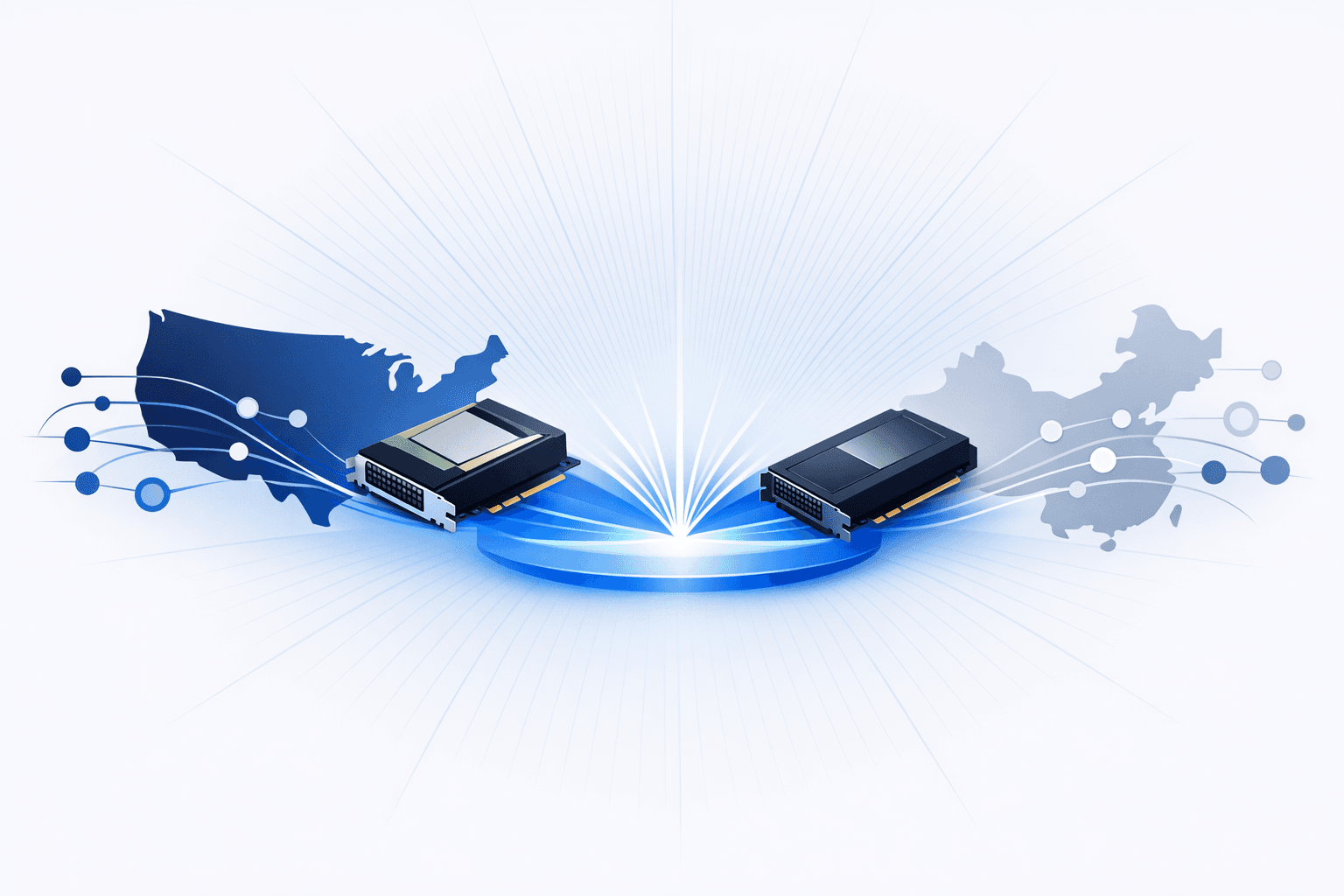
The U.S. Department of Commerce’s Bureau of Industry and Security (BIS) announced revised export rules that can allow **limited, licensed exports** of certain advanced U.S.-designed AI/HPC accelerators—explicitly including **Nvidia’s H200** and **AMD’s Instinct MI325X**—to China and Macau. The policy shifts from purely performance-threshold gating toward a licensing framework that emphasizes **U.S. supply priority** and compliance assurances, including requirements that exporters demonstrate U.S. demand is met, U.S. orders are not delayed, and that PRC-bound shipments are capped relative to U.S. volumes (e.g., aggregate shipments to China not exceeding **50%** of the same product shipped into the U.S.). BIS also cited conditions such as Chinese purchasers adopting export-compliance procedures (including customer screening) and **independent third-party testing in the U.S.** to verify product performance and security. The change triggered political scrutiny in Congress, with House lawmakers warning that expanded Chinese access to advanced U.S. chips could accelerate Beijing’s AI and military ambitions, even as the administration framed the move as controlled via licensing and review. Separately, reporting indicated Beijing may be **constraining domestic purchases** of H200s to “special circumstances,” potentially limiting access largely to **university R&D labs**, reflecting China’s tension between acquiring leading-edge foreign accelerators and supporting domestic semiconductor development. Commentary from Nvidia CEO Jensen Huang about “god AI” and AI “doomer” narratives was unrelated to the export-control policy and did not add security-relevant detail to the export-rule story.
1 months ago
AI Infrastructure and Export Controls Impact on China and Global Data Centers
Nvidia is preparing to resume shipments of its H200 data center GPUs to China following the U.S. government's decision to allow limited exports under strict licensing and a 25% tax. CEO Jensen Huang confirmed that demand for the H200 in China is extremely high, but actual deliveries are pending final regulatory approvals. The move comes amid ongoing U.S. export controls that have restricted Chinese access to advanced AI accelerators, prompting Nvidia to restart its supply chain and prepare for significant orders once licenses are finalized. As a result of these export restrictions, China's AI infrastructure market is rapidly consolidating around domestic champions such as Baidu and Huawei, who now control over 70% of the country's "GPU cloud" market using homegrown AI chips. This shift is supported by substantial investment in domestic silicon development and a strategic move by Chinese tech giants to vertically integrate hardware, software, and cloud services. Meanwhile, the global surge in AI data center construction is straining electricity grids, with companies like Meta and Microsoft exploring alternative power sources, including small modular nuclear reactors, to meet the growing energy demands of AI workloads.
1 months ago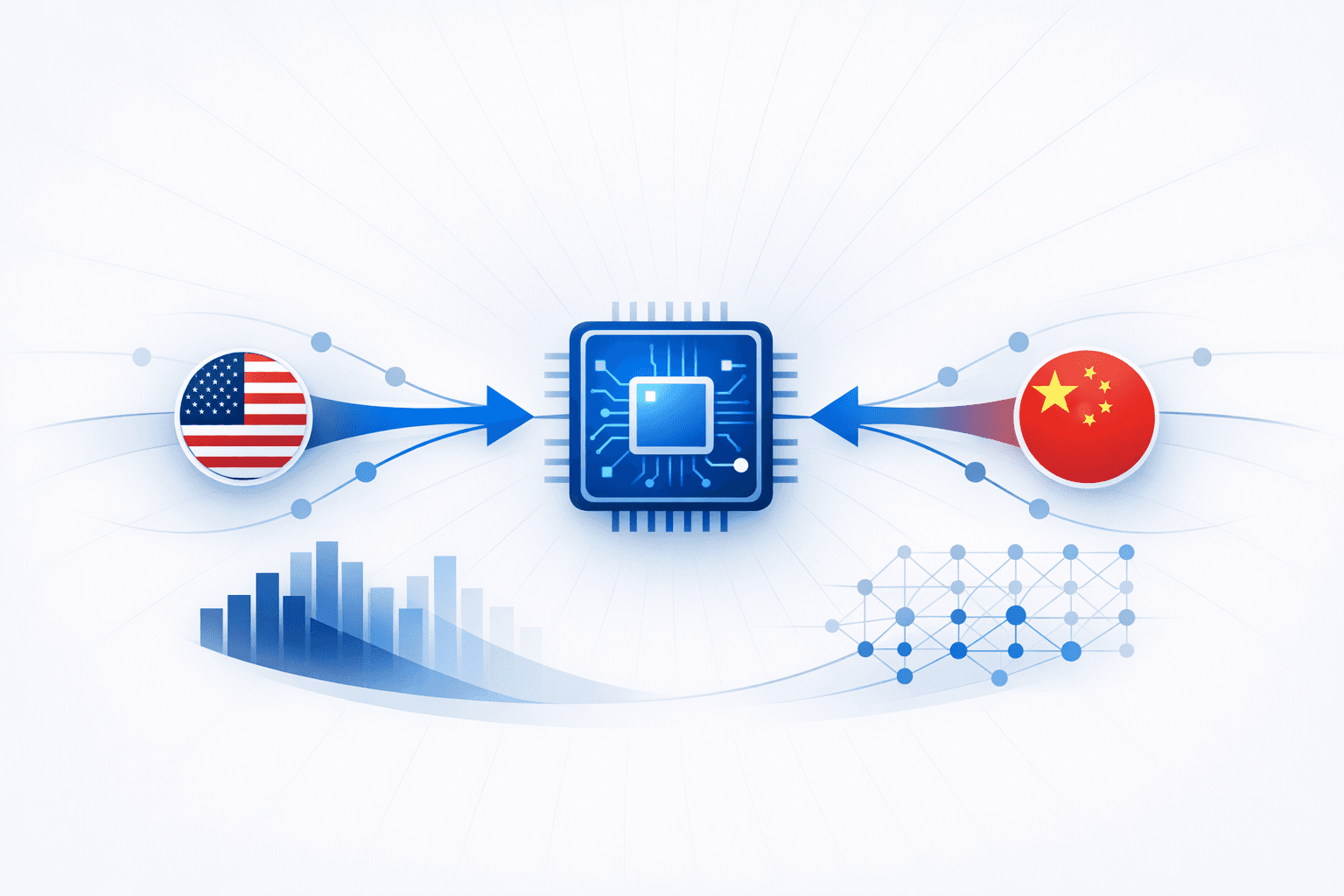
US Approval of Nvidia H200 AI Chip Exports to China Under Strict Controls
The United States government has authorized Nvidia to export its H200 AI accelerator chips to select Chinese customers, reversing previous restrictions that had barred such sales. The decision, announced by President Donald Trump, requires each chip to be routed through US territory for inspection and imposes a 25% import duty. The move is intended to maintain US technological superiority while allowing controlled access to advanced AI hardware, as the H200 is significantly more powerful than the previously permitted H20 model but still less advanced than Nvidia's latest Blackwell chips, which remain restricted. The policy shift follows concerns that strict export bans were accelerating the development of domestic Chinese alternatives, particularly from companies like Huawei, whose Ascend 910C and CloudMatrix 384 chips are approaching parity with Nvidia's offerings. Chinese regulators have responded by convening emergency meetings with major technology firms such as Alibaba, ByteDance, and Tencent to assess demand for the H200 and consider potential import limits. The Chinese government is weighing whether to permit purchases and how to structure access, with discussions reportedly focusing on restricting public sector use and requiring justification for why domestic chips cannot meet company needs. The US administration's strategy aims to keep Chinese industry reliant on American technology and secure revenue for Nvidia, which has seen its China market share plummet due to earlier restrictions. The decision is seen as a calculated effort to balance national security concerns with economic interests and the ongoing competition in AI hardware development between the US and China.
1 months ago