
Malicious and Privacy-Invasive Chrome Extensions Abusing Permissions for Data Collection and Affiliate Hijacking

New reporting and research highlighted escalating risk from Chrome browser extensions that present as AI productivity or shopping tools while collecting excessive data or performing hidden monetization. An Incogni analysis of 442 “AI-branded” Chrome extensions found more than half collected user data and nearly a third collected personally identifiable information (PII), based on requested permissions, developer disclosures, and risk scoring; the study flagged widely used tools as among the most invasive. Separately, Socket researchers identified a Chrome extension marketed as Amazon Ads Blocker that silently hijacked affiliate links, injecting the developer’s tag 10xprofit-20 into Amazon product URLs and replacing existing creator affiliate codes without user awareness.
Socket assessed the affiliate-hijacking behavior as part of a broader, likely coordinated ecosystem: at least 29 related extensions were observed targeting major e-commerce sites (including Amazon, AliExpress, Best Buy, Shopify, and Shein) using shared infrastructure and repeated policy-violating patterns, indicating intentional abuse rather than accidental noncompliance. In contrast, other contemporaneous items focused on broader consumer privacy guidance (e.g., smart TV tracking mitigations) or regulatory investigations into AI image generation on X/Grok; while privacy-adjacent, they do not describe the same Chrome extension abuse activity and are not directly actionable for extension-risk response beyond general awareness.
Timeline
Feb 4, 2026
Socket identifies Amazon Ads Blocker affiliate hijacking scheme
Security researchers at Socket reported that the Chrome extension "Amazon Ads Blocker" was covertly rewriting Amazon product links to insert the developer's affiliate tag and replace existing creator tags without user consent. Socket said the extension was part of a broader network of at least 29 extensions targeting major e-commerce platforms including Amazon, AliExpress, Best Buy, Shopify, and Shein.
Feb 4, 2026
Incogni analyzes 442 AI Chrome extensions for privacy risks
Incogni conducted a study of 442 AI-branded Chrome extensions and found that more than half collect user data, with nearly a third collecting personally identifiable information. The research also highlighted common use of sensitive permissions such as scripting and identified higher-risk extension categories and popular examples with concerning data practices.
See the full picture in Mallory
Mallory subscribers get deeper analysis on every story, including:
Who’s affected and how
Deep-dive technical analysis
Actionable next steps for your team
IPs, domains, hashes, and more
Ask questions and take action on every story
Filter by topic, classification, timeframe
Get matching stories delivered automatically
Related Entities
Malware
Affected Products
Sources
Related Stories

Malicious and High-Risk AI-Powered Chrome Extensions Enable Account Hijacking and Phishing
Security researchers reported multiple risks tied to **AI-themed browser extensions** in the Chrome/Edge ecosystem, including active malicious campaigns. Malwarebytes identified **16 malicious extensions** (15 Chrome, 1 Edge) masquerading as ChatGPT “enhancers” that **steal ChatGPT session tokens**, enabling attackers to take over accounts and access conversation history and metadata; the extensions also exfiltrate additional telemetry (e.g., extension version/language and usage details) to help attackers profile victims and maintain longer-term access. Separately, Varonis described a new **malware-as-a-service** offering called **“Stanley”** that claims to reliably get **phishing-capable Chrome extensions** through Chrome Web Store review, using full-screen `iframe` overlays to present attacker-controlled login pages while the address bar continues to show the legitimate domain; it also advertises auto-install support across Chrome/Edge/Brave, a management panel, geo/IP targeting, and frequent C2 polling. In parallel with these overtly malicious cases, an Incogni study of **442 AI-powered Chrome extensions** found broad privacy and security exposure from over-privileged extensions (e.g., script injection and deep page access) and extensive data collection (52% collecting user data), highlighting that even popular tools (e.g., **Grammarly** and **QuillBot**) can present significant privacy risk due to the scope of permissions and data categories collected.
1 months ago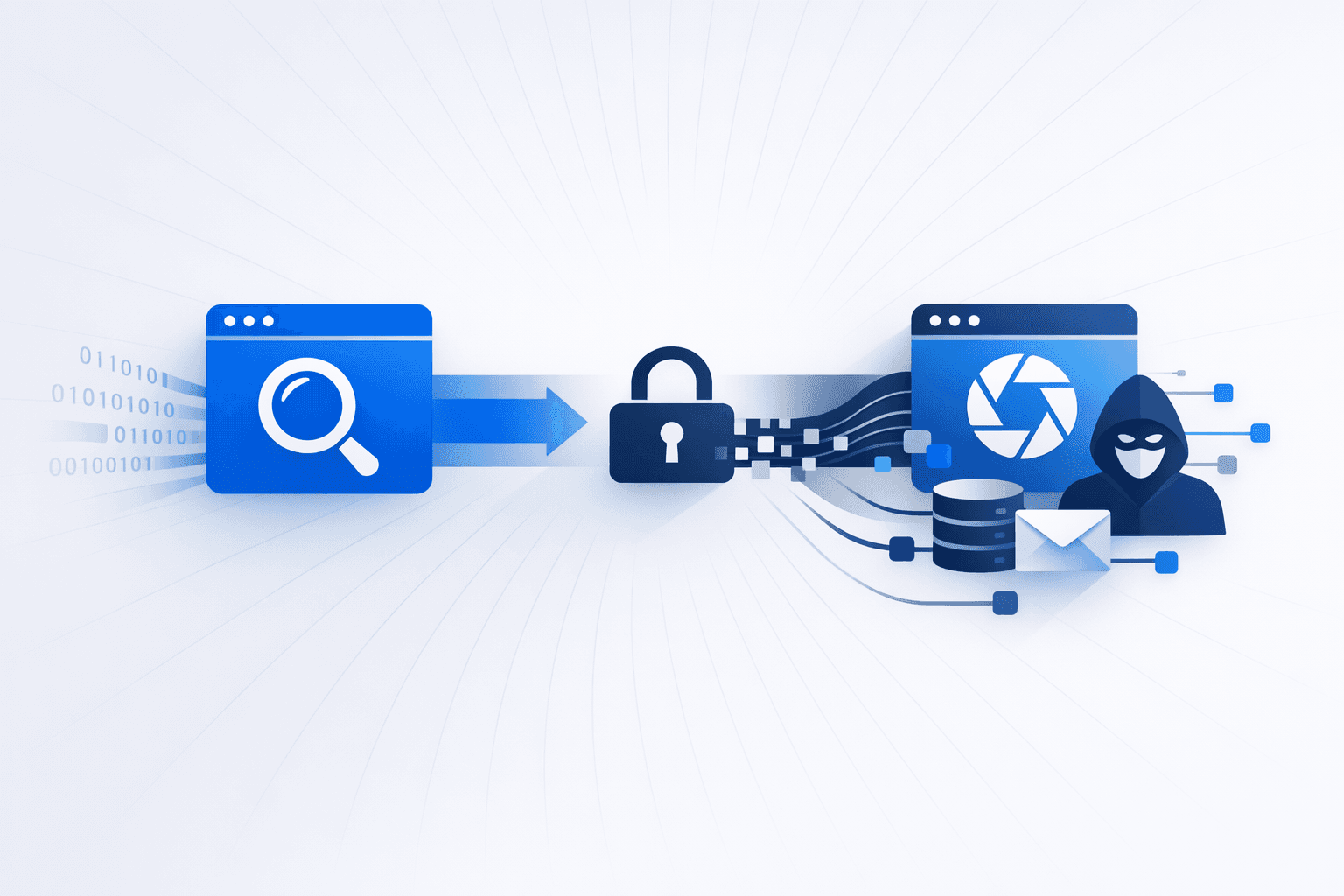
Malicious Chrome Extensions Used for Data Theft via Ownership Transfers and Impersonation
Multiple **malicious Chrome/Chromium extensions** were identified abusing the Chrome Web Store to steal data from users and enterprises. Two previously legitimate extensions—**QuickLens** (`kdenlnncndfnhkognokgfpabgkgehodd`) and **ShotBird** (`gengfhhkjekmlejbhmmopegofnoifnjp`)—reportedly turned malicious after **ownership transfers**, enabling downstream compromise through injected code and data harvesting. In the QuickLens case, researchers reported the malicious update preserved expected functionality while adding capabilities to **strip security headers** (e.g., `X-Frame-Options`) and facilitate script injection that can bypass **Content Security Policy (CSP)** protections, expanding the attacker’s ability to make cross-domain requests and collect sensitive information. Separately, Microsoft reported a campaign of **counterfeit “AI assistant” browser extensions** distributed via the Chrome Web Store (and therefore also impacting Microsoft Edge environments that allow Chrome extensions), which allegedly affected **20,000+ enterprise tenants** and amassed roughly **900,000 installs**. These extensions impersonated legitimate AI productivity tools and harvested **ChatGPT/DeepSeek conversation histories**, visited URLs, and browsing telemetry, staging data for exfiltration to attacker-controlled infrastructure. Another Chrome Web Store threat involved a fake **imToken**-branded extension (“lmΤoken Chromophore”) that masqueraded as a benign tool but redirected victims to phishing infrastructure to steal **seed phrases and private keys**, using tactics like hardcoded remote configuration (via JSONKeeper) and decoy navigation to the legitimate `token.im` site after credential capture.
1 months ago
Malicious Chrome Extensions Impersonate AI Assistants and Crypto Wallets to Steal Sensitive Data
Microsoft reported a campaign of **malicious Chromium-based browser extensions** masquerading as legitimate AI assistant tools to **harvest LLM chat histories and browsing data**, with reporting suggesting ~**900,000 installs** and Microsoft Defender telemetry indicating activity across **20,000+ enterprise tenants**. The extensions collected full URLs and chat content from services including **ChatGPT** and **DeepSeek**, creating a high-risk data leakage path for proprietary code, internal workflows, and strategic discussions; Microsoft also noted cases where “agentic” browsers auto-downloaded these extensions, reducing user friction and increasing exposure. Separately, Socket documented a **fake imToken** Chrome extension (`bbhaganppipihlhjgaaeeeefbaoihcgi`) that posed as a benign “hex color visualizer” but functioned as a **phishing redirector**: on install and on click it opened attacker-controlled pages, pulling a destination URL from `jsonkeeper[.]com/b/KUWNE` and sending victims to `chroomewedbstorre-detail-extension[.]com` to solicit **12/24-word seed phrases** or **private keys** for wallet takeover. A Kaspersky post focused on consumer guidance for disabling unwanted AI features and broadly warned about privacy/security risks from pervasive AI assistants (including mention of insecure third-party “personal agent” setups), but it did not provide corroborated details tied to the specific malicious-extension campaigns described by Microsoft and Socket.
3 days ago