
EU Digital Omnibus Proposals Face Privacy Watchdog Backlash Over GDPR Changes
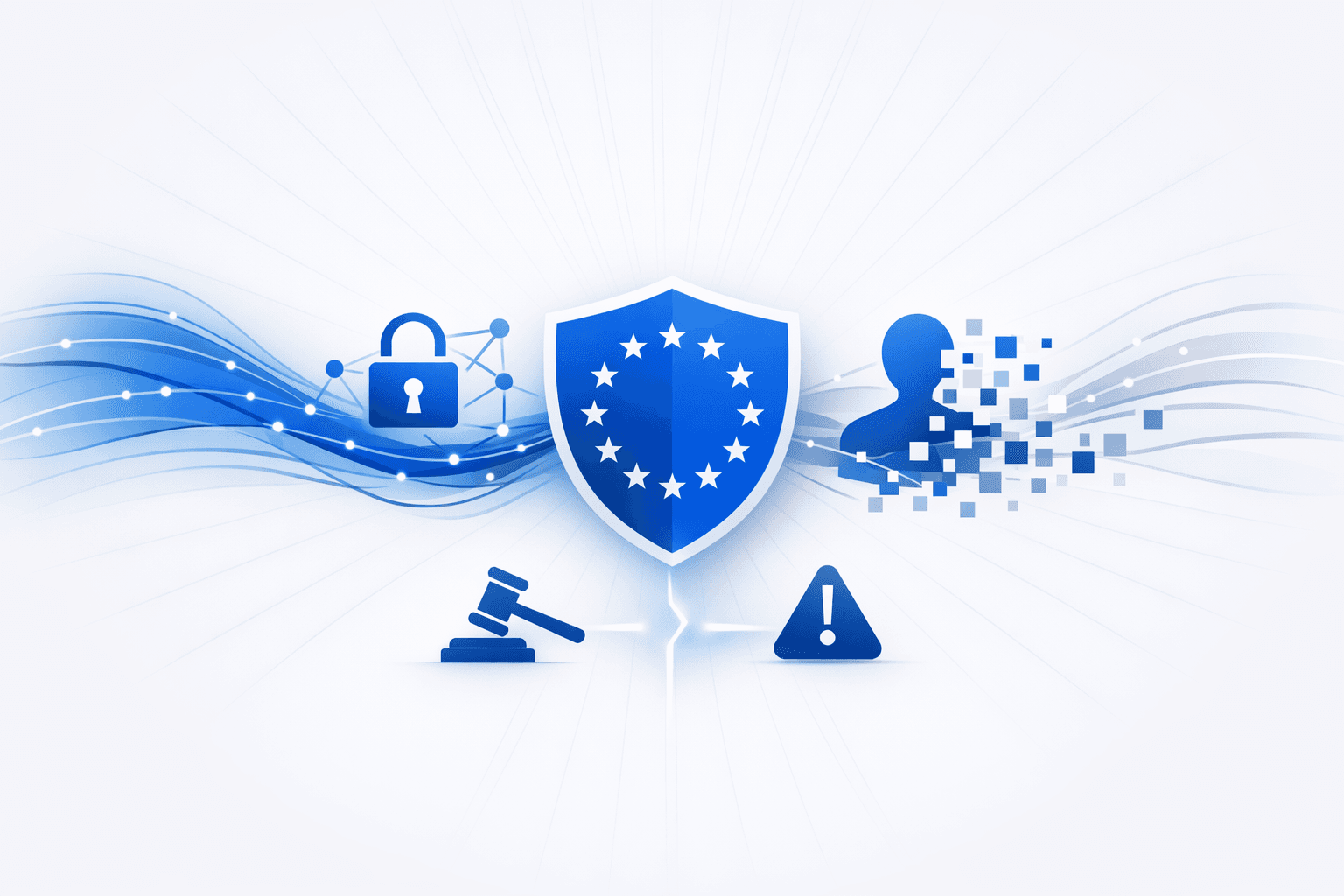
European privacy watchdogs and digital rights advocates are pushing back against the European Commission’s proposed “Digital Omnibus” package, arguing that amendments billed as regulatory “streamlining” could weaken EU privacy protections and erode fundamental rights. Reported concerns focus on proposed changes to the GDPR, including narrowing the definition of personal data so that not all data that could potentially be linked to an identifiable person would qualify, alongside other adjustments intended to reduce compliance friction (e.g., reducing cookie banner requirements in some cases and simplifying multi-law breach notification processes).
Separately, UK officials told Parliament that legacy IT is impeding implementation of technical controls meant to prevent repeats of the Ministry of Defence’s highly sensitive Afghan data exposure, where roughly 19,000 resettlement applicants’ details were compromised via a CC instead of BCC email error. The government’s Information Security Review recommended shifting cross-government information sharing away from email/attachments and toward source-based sharing, but ministers and the chief data officer cited departmental system fragmentation as a barrier to rolling out attachment-blocking and safer data-transfer mechanisms at scale.
Timeline
Feb 12, 2026
EU privacy watchdogs urge lawmakers to reject key GDPR changes
The European Data Protection Board and European Data Protection Supervisor publicly pushed back on the package, warning that narrowing the GDPR definition of personal data and limiting right-of-access protections could weaken fundamental rights. They also questioned the value of the proposed AI-related legitimate-interest wording while supporting some breach-notification simplifications.
Feb 12, 2026
European Commission proposes the Digital Omnibus package
The European Commission put forward its "Digital Omnibus" package to streamline compliance across EU tech rules and boost competitiveness. The proposal included changes affecting GDPR definitions, data-subject access rights, AI-related legitimate-interest language, and breach notification requirements.
See the full picture in Mallory
Mallory subscribers get deeper analysis on every story, including:
Who’s affected and how
Deep-dive technical analysis
Actionable next steps for your team
IPs, domains, hashes, and more
Ask questions and take action on every story
Filter by topic, classification, timeframe
Get matching stories delivered automatically
Related Entities
Organizations
Sources
Related Stories

EU Digital Omnibus Proposal to Weaken GDPR Protections for AI and Cookie Tracking
The European Commission is preparing to introduce the "Digital Omnibus" legislative package, which includes significant amendments to the General Data Protection Regulation (GDPR) and related digital privacy laws. Leaked drafts of the proposal reveal changes that privacy advocates argue would create major loopholes, particularly by relaxing rules on pseudonymized data and shifting cookie regulation from the ePrivacy Directive to the GDPR. Critics, including Max Schrems and privacy groups like Noyb, warn that these reforms would undermine existing privacy protections, making it easier for companies—especially large tech and advertising firms—to exploit personal data for commercial purposes. The proposed amendments would also allow broader processing of cookie-derived data under a "closed list of low-risk purposes" or other legal bases, moving away from the current strict opt-in requirements. Privacy experts contend that these changes could violate European Court of Justice rulings and the EU Charter of Fundamental Rights, representing the most significant attack on European privacy since the GDPR's inception. The official unveiling of the Digital Omnibus package is expected on November 19, 2025, and the reforms have sparked strong opposition from privacy advocates who believe the legislative process is being rushed and lacks proper oversight, potentially eroding the rights of EU citizens in favor of industry interests.
1 months ago
European Commission Proposes Deregulatory Changes to GDPR and AI Regulations
The European Commission has introduced a legislative package, known as the Digital Omnibus, aimed at simplifying and consolidating digital regulations across the European Union. This proposal seeks to merge multiple pieces of legislation into a single framework, streamlining rules on artificial intelligence, cybersecurity, and data management. A key component of the package is the relaxation of certain General Data Protection Regulation (GDPR) provisions, including delaying the enforcement of regulations on high-risk AI systems and permitting companies to use personal data for AI training without prior user consent in most cases. The initiative also includes the launch of a European Business Wallet to facilitate digital operations for companies and public sector bodies, and a new Data Union Strategy to unlock high-quality data for AI development. EU officials argue that these changes will reduce administrative burdens and compliance costs for businesses, fostering innovation and competitiveness within the bloc. However, the proposal has drawn criticism from privacy and digital rights advocates, as well as some political parties, who warn that it could significantly weaken data privacy protections that have been a hallmark of the EU's regulatory landscape. The legislative package must still be approved by the European Parliament and the Council of the European Union, and its future remains uncertain amid ongoing debate over the balance between innovation and fundamental rights.
1 months ago
EU Member States Reject Proposed GDPR Redefinition of Personal Data
EU member-state governments, via the **Council of the EU**, rejected a European Commission proposal to redefine **“personal data”** under the GDPR as part of a broader late-2025 *Digital Omnibus* legislative package intended to streamline tech regulation and boost competitiveness. The proposed change was framed as making it easier to collect, share, and process data about individuals, but it drew pushback from privacy stakeholders concerned it would weaken protections. European data protection regulators had already criticized the amendment earlier in February, and the Council’s compromise text—reported by Euractiv—omitted the Commission’s redefinition. Paul Nemitz, a key architect of the GDPR, welcomed the Council’s stance cautiously, signaling continued resistance among member states to altering the GDPR’s core definition of personal data in ways that could reduce privacy safeguards.
1 months ago