
Indirect Prompt Injection and Prompt Manipulation Risks in AI Agents
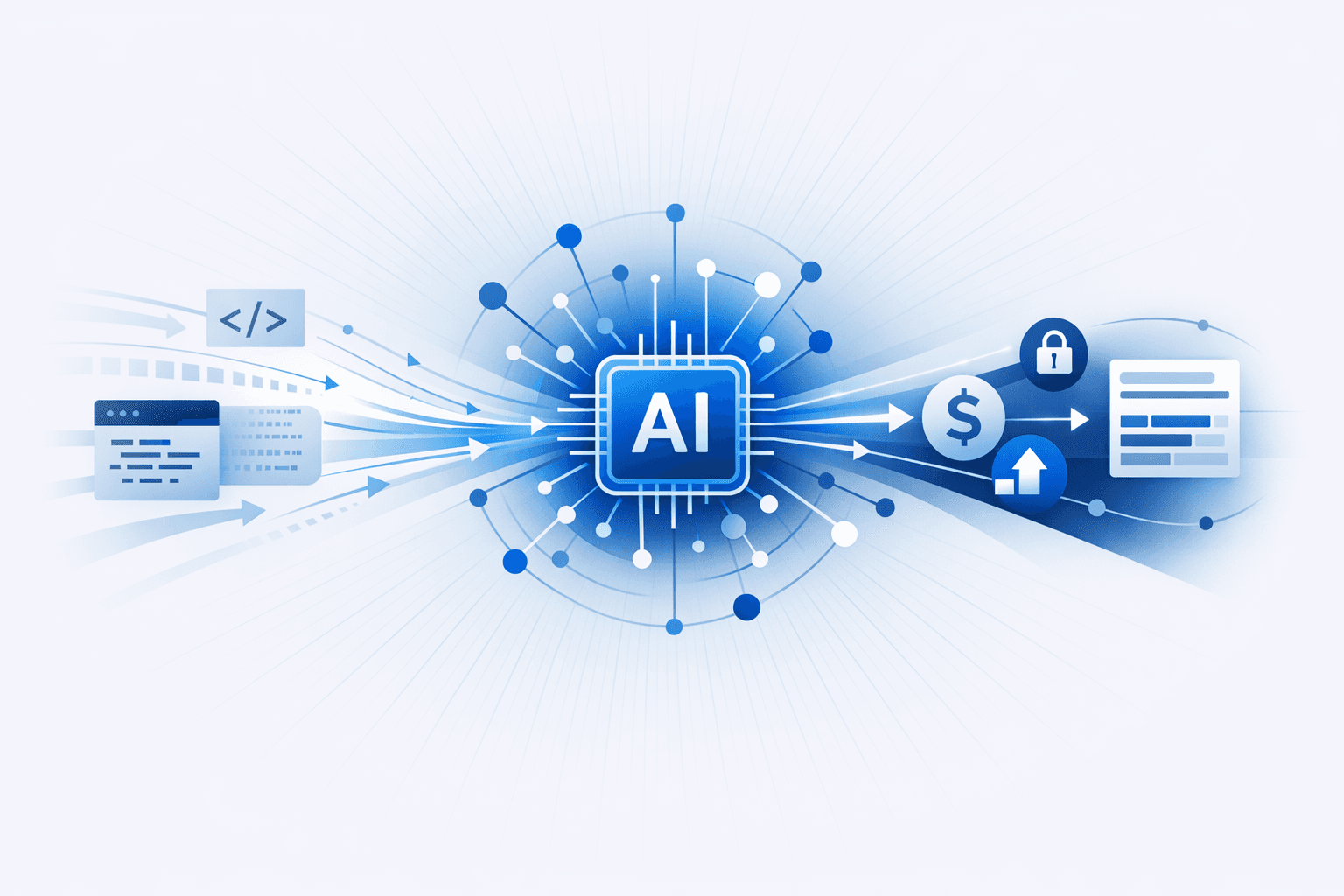
Threat researchers and security experts reported that indirect prompt injection (IDPI) is being actively used in the wild to manipulate AI agents by embedding hidden instructions in otherwise normal-looking web content (e.g., HTML, metadata, comments, or invisible text). Reported impacts include coercing agents into leaking sensitive data, executing unauthorized actions (including server-side commands), and manipulating downstream systems such as AI-based ad review and search ranking workflows (e.g., SEO poisoning and phishing promotion), indicating the technique has moved from theoretical to operational abuse.
Separate testing of a healthcare AI used in a prescription-management context showed how prompt injection can bypass safeguards to reveal system prompts, generate harmful content, and—via persistence mechanisms such as SOAP notes—introduce longer-lived manipulations that could influence clinical outputs (e.g., altering suggested dosages) before human approval. Other items in the set were primarily business/consumer AI commentary (data-management investment surveys, bot-ecosystem interview, and general “dark side of AI” discussion) and did not materially add incident-level or technical detail about prompt-injection exploitation beyond broad risk framing.
Timeline
Mar 6, 2026
Researchers identify first known real-world IDPI abuse of AI ad review
Unit 42 cited the first known real-world case of indirect prompt injection being used to bypass an AI-based advertisement review system. The broader research also linked the technique to SEO poisoning, attempted unauthorized financial actions, sensitive data exposure, and destructive server-side commands.
Mar 6, 2026
Unit 42 documents indirect prompt injection used in the wild at scale
Palo Alto Networks' Unit 42 reported that indirect prompt injection attacks were being observed in real-world environments at scale. The researchers documented 22 payload-construction techniques and described attacker methods for hiding malicious instructions in ordinary-looking web content processed by AI tools.
Mar 5, 2026
Doctronic and Utah pilot program respond with safeguard claims
Doctronic and the Utah pilot program said controlled substances cannot be refilled in the current trial and stated that additional safeguards are in place. Their response addressed the reported prompt-injection findings affecting the healthcare AI system.
Mar 5, 2026
Researchers show Doctronic AI can be induced to alter prescription output
In a safety-impacting demonstration, researchers showed the AI could be tricked into changing a prescription recommendation, including tripling an OxyContin dosage for later human review. The finding highlighted the potential for prompt injection to influence clinical decision support workflows.
Mar 5, 2026
Mindgard demonstrates prompt injection risks in Doctronic healthcare AI
Security researchers reported that Doctronic's prescription-management healthcare AI could be manipulated to reveal system prompts and accept unauthorized instruction changes. They showed both session-limited prompt injection and a persistence method using SOAP notes in clinical records.
See the full picture in Mallory
Mallory subscribers get deeper analysis on every story, including:
Who’s affected and how
Deep-dive technical analysis
Actionable next steps for your team
IPs, domains, hashes, and more
Ask questions and take action on every story
Filter by topic, classification, timeframe
Get matching stories delivered automatically
Related Entities
Organizations
Sources
Related Stories
Indirect Prompt Injection and AI Agent Abuse Expands Real-World Attack Surface
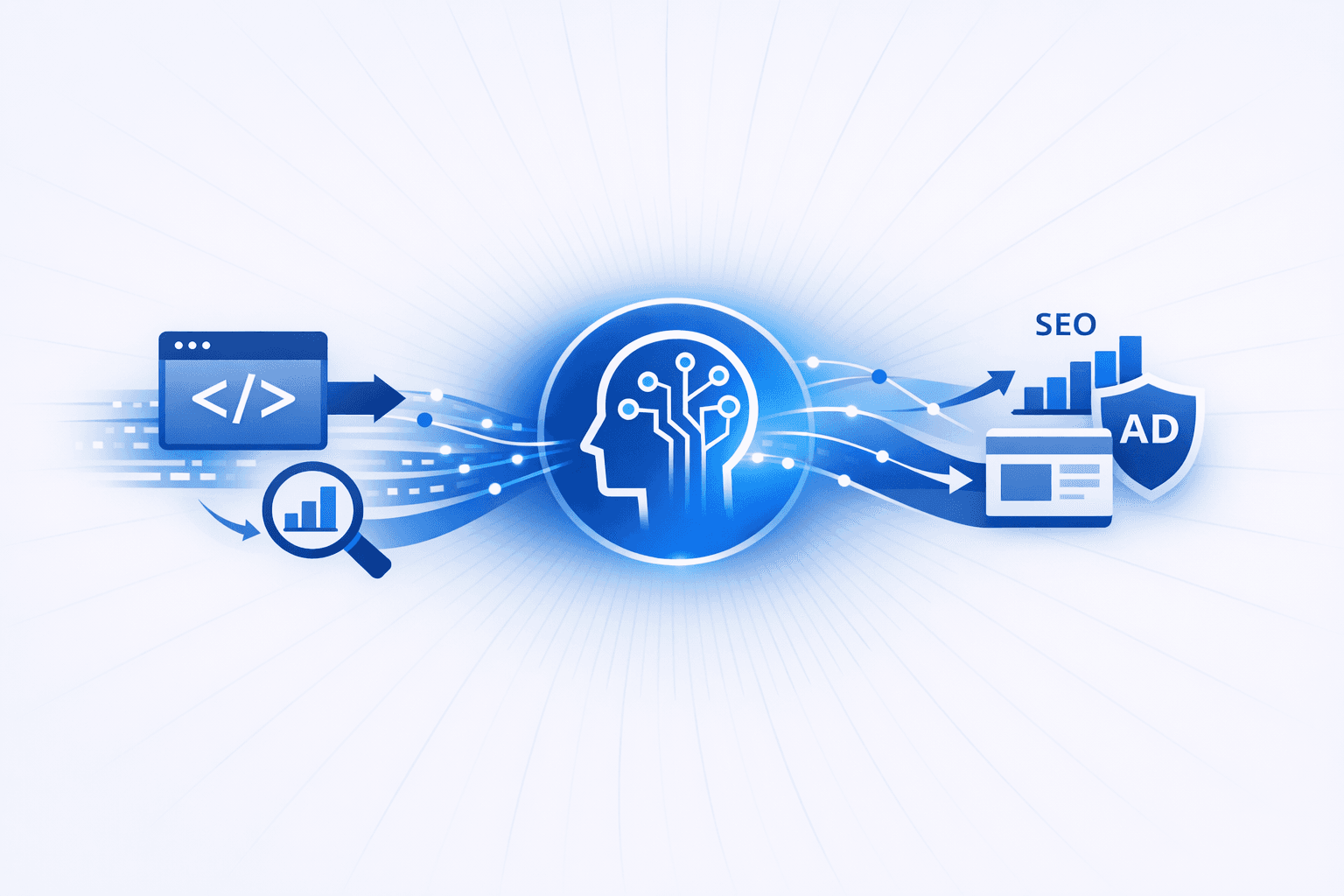
Security researchers and industry reporting describe **prompt injection—especially web-based indirect prompt injection (IDPI)**—as an increasingly practical technique for compromising or manipulating **LLM-powered agents** embedded in browsers and automated content pipelines. Palo Alto Networks Unit 42 reported in-the-wild IDPI activity where malicious instructions are hidden in web content that an agent later ingests, with observed objectives including **AI-based ad review evasion** and **SEO manipulation** that promotes phishing infrastructure. Separately, Zenity Labs detailed a now-patched issue in Perplexity’s *Comet* AI browser where attackers could embed instructions in a **calendar invite** to coerce the agent into accessing `file://` resources and potentially pivoting into sensitive data such as an unlocked **1Password** extension vault, illustrating how agentic tooling can bypass traditional browser-origin assumptions. Threat reporting also shows adversaries operationalizing AI to scale exploitation. Team Cymru linked an AI-assisted Fortinet FortiGate targeting campaign (previously reported by Amazon Threat Intelligence as compromising **600+ devices across 55 countries** using services like **Claude** and **DeepSeek**) to use of **CyberStrikeAI**, an open-source Go-based platform that integrates 100+ security tools and was observed from multiple IPs (primarily hosted in China/Singapore/Hong Kong, with additional infrastructure elsewhere). Multiple commentaries and briefings emphasize that conventional “filter the prompt” defenses are insufficient because LLMs lack a native separation between instructions and data; they call for **defense-in-depth** around AI pipelines, including least-privilege agent permissions, auditable tool use, and stronger identity/workload controls as agent deployments multiply. Several items in the set are unrelated (geopolitical cyber activity, workforce/culture pieces, jobs, and product/market commentary) and do not materially inform the prompt-injection/agent-abuse story.
1 months ago
Prompt Injection Attacks and Security Challenges in AI Systems
Prompt injection has emerged as a critical security concern in the deployment of large language models (LLMs) and AI agents, with attackers exploiting the way these systems interpret and execute instructions. Security researchers have drawn parallels between prompt injection and earlier vulnerabilities like SQL injection, highlighting its potential to undermine the intended behavior of AI models. Prompt injection involves manipulating the input prompts to override or bypass the system-level instructions set by developers, leading to unauthorized actions or data leakage. The attack surface is broad, as LLMs are increasingly integrated into applications and workflows, making them attractive targets for adversaries. Multiple organizations, including OpenAI, Microsoft, and Anthropic, have initiated efforts to address prompt injection, but the problem remains unsolved due to the complexity and adaptability of AI models. Real-world demonstrations have shown that prompt injection can be used to break out of agentic applications, bypass browser security rules, and even persistently compromise AI systems through mechanisms like memory manipulation. Security conferences such as BlackHat USA 2024 have featured research on exploiting AI-powered tools like Microsoft 365 Copilot, where attackers can escalate privileges or exfiltrate data by crafting malicious prompts or leveraging markdown image vectors. Researchers have also identified that AI agents can be tricked into ignoring browser security policies, such as CORS, leading to potential cross-origin data leaks. Defensive measures, such as intentionally limiting AI capabilities or implementing stricter input filtering, have been adopted by some vendors, but these often come at the cost of reduced functionality. The security community is actively developing standards, such as the OWASP Agent Observability Standard, to improve monitoring and detection of prompt injection attempts. Despite these efforts, adversaries continue to find novel ways to exploit prompt injection, including dynamic manipulation of tool descriptions and bypassing image filtering mechanisms. The rapid evolution of AI technologies and the proliferation of agentic applications have made it challenging to keep pace with emerging threats. Security researchers emphasize the need for ongoing vigilance, robust testing, and collaboration across the industry to mitigate the risks associated with prompt injection. The use of AI in sensitive environments, such as enterprise productivity suites and web browsers, amplifies the potential impact of successful attacks. As AI adoption accelerates, organizations must prioritize understanding and defending against prompt injection to safeguard their systems and data. The ongoing research and public disclosures serve as a call to action for both developers and defenders to address this evolving threat landscape.
1 months ago
Indirect Prompt Injection and Data Exfiltration Risks in Enterprise AI Agents
Security researchers warned that **AI agents and retrieval-augmented generation (RAG) systems** can be turned into data-exfiltration channels when attackers poison inputs or embed malicious instructions in content the model is expected to process. One report described a **0-click indirect prompt injection** against *OpenClaw* agents in which hidden instructions cause the agent to generate an attacker-controlled URL containing sensitive data such as API keys or private conversations in query parameters; messaging platforms like *Telegram* or *Discord* can then automatically request that URL for link previews, silently delivering the data to the attacker. The same reporting noted concerns about insecure defaults that allow agents to browse, execute tasks, and access local files, expanding the blast radius of prompt-injection abuse. Related analysis highlighted that the same core weakness extends beyond standalone agents to **enterprise RAG deployments**, where the integrity of the knowledge base becomes part of the security boundary. If attackers can poison indexed documents in systems such as SharePoint or Confluence, they can manipulate retrieval results and influence model outputs, including security workflows and analyst guidance. Broader commentary on **agentic AI threat convergence** reinforced that prompt engineering is no longer just a productivity technique but an emerging exploit class, with adversaries using prompt injection and context manipulation against AI-enabled security operations. Together, the reporting shows that enterprise AI risk increasingly depends on controlling untrusted content, hardening agent permissions, and treating prompts, retrieved documents, and downstream integrations as attack surfaces.
1 weeks ago